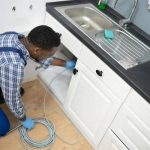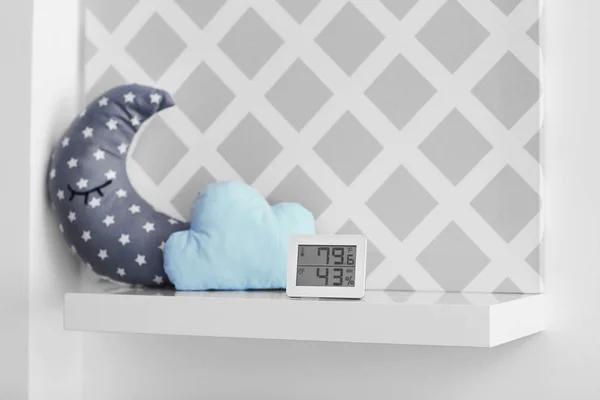

Maintaining optimal indoor humidity levels is essential for comfort, health, and the preservation of property. Professional dehumidification and humidity control services play a crucial role in achieving this balance by effectively managing moisture in residential, commercial, and industrial environments. Excess humidity can lead to various problems including mold growth, structural damage, and poor air quality. By engaging experts in this field, individuals and businesses can ensure their spaces remain dry, safe, and comfortable throughout the year.
These specialized services begin with a thorough assessment of the environment to identify sources of excess moisture and evaluate current humidity levels. Professionals use advanced tools such as hygrometers and thermal imaging cameras to detect hidden dampness that may not be visible to the naked eye. This detailed analysis allows them to design tailored solutions that address specific issues rather than applying generic fixes. Whether it’s due to high outdoor humidity infiltration or internal activities like cooking or manufacturing processes, understanding the root cause is critical for effective control.
Once an evaluation is complete, technicians recommend appropriate equipment which may include commercial-grade dehumidifiers or integrated HVAC systems with built-in humidity regulation features. Modern dehumidifiers are energy-efficient devices capable of removing significant amounts of moisture from large spaces find out more without excessive power consumption. In addition to installing equipment, professionals provide ongoing maintenance services ensuring these systems operate at peak efficiency over time. Regular servicing prevents breakdowns while optimizing performance helps reduce energy costs associated with unnecessary operation.
Humidity control extends beyond simply reducing moisture; it also involves maintaining ideal conditions suitable for occupants’ health and material preservation. For example, keeping relative humidity between 30% and 50% minimizes respiratory irritations caused by overly dry or moist air while protecting wooden furniture from warping or cracking due to fluctuating moisture levels. In industrial settings where sensitive products are stored or manufactured under strict environmental standards, precise control avoids costly spoilage or production delays.
Expertise in professional dehumidification also includes addressing challenges unique to certain climates or building types such as basements prone to flooding or warehouses exposed to varying weather conditions. Customized strategies might incorporate vapor barriers alongside mechanical drying methods for comprehensive results that last longer than temporary fixes like fans alone could achieve.
Choosing professional providers ensures compliance with safety regulations related to indoor air quality management while leveraging industry knowledge gained through experience across different applications. These specialists educate clients on best practices such as proper ventilation techniques combined with controlled humidification when necessary during dry seasons.
In summary, professional dehumidification and humidity control services offer vital support for creating healthier living environments while protecting valuable assets against damage caused by excess moisture. Their systematic approach involving assessment, installation of efficient equipment, regular maintenance schedules plus tailored advice guarantees reliable long-term outcomes suited perfectly for each client’s unique needs within diverse settings worldwide today.