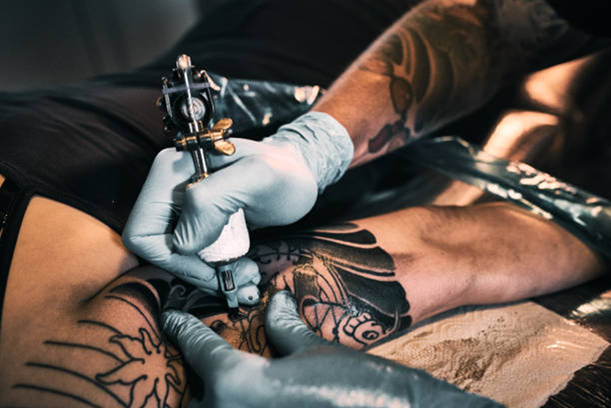

Cover-up tattoos are one of the most challenging projects a tattoo artist can take on. Unlike tattooing fresh skin, cover-ups require working around existing ink, faded pigment, and sometimes scar tissue—every decision matters, from color choice to design flow. When done correctly, a cover-up doesn’t look like a fix. It seems like a completely new piece of art. Here’s how skilled artists make that transformation happen.
What Is a Cover-Up Tattoo?
A cover-up tattoo is a new design created specifically to hide an existing tattoo underneath it. Instead of removing the old ink, the artist absorbs it into a fresh concept that looks intentional and seamless.
Key things to understand about cover-ups:
- The old tattoo influences the new design
- Cover-ups are fully custom, not flash designs
- The goal is total concealment, not distraction
- Proper planning matters more than speed
When done right, no part of the old tattoo should be visible once the new piece heals.
What Makes a Cover-Up Successful?
A successful cover-up depends on both artistic vision and technical skill. Artists must understand how ink heals, how colors interact, and how to guide the eye away from what’s underneath.
Important factors that lead to strong results:
- Larger designs to fully mask the old tattoo
- Darker, more saturated color palettes
- Textured elements like florals, animals, or patterns
- Strategic shading and layering techniques
Trying to place a light or minimal design over dark ink usually leads to failure. Strong foundations create clean results.
Why Some Cover-Ups Don’t Work
Cover-ups fail when expectations don’t match reality. Tattoo ink becomes slightly transparent over time, meaning lighter colors can’t hide darker ones beneath.
Common reasons cover-ups struggle:
- Choosing colors that lack opacity
- Designs that are too small or simple
- Ignoring the original tattoo’s shape
- Skipping laser fading when needed
For heavily saturated or dark tattoos, a few laser sessions can lighten the ink and give artists more creative freedom.
FAQs
Can any tattoo be covered up?
Most tattoos can be covered, but very dark or dense pieces may need laser fading first.
Do cover-up tattoos take longer to heal?
They can, since the skin is worked more heavily than on a fresh tattoo.
Will my cover-up tattoo fade faster?
Not if done correctly. Proper saturation and aftercare help it age well.
Are cover-ups more expensive than regular tattoos?
Usually, yes. They require more time, skill, and planning.
Final Thoughts
A cover-up tattoo is a second chance to turn something you no longer love into art you’re proud of. With the right design, realistic expectations, and an artist who specializes in cover-ups, old ink can completely disappear into something bold, intentional, and new.
This post was written by a professional at Till the End Tattoos. Till the End Tattoos is a full-service tattoo studio in Tampa, Florida, specializing in realism tattoos, micro-realism, fine line, portraits, and custom large-scale designs. Serving clients throughout Tampa and Miami, our experienced team provides expert guidance and dependable solutions. For those seeking a trusted tattoo studio near you focused on quality, value, and performance, check our realism tattoo artist in Tampa.