
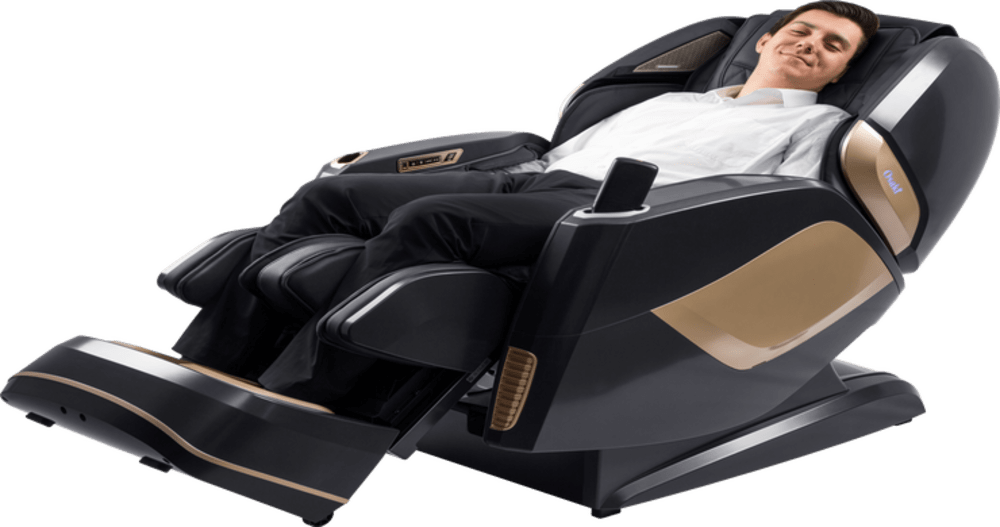

Massage chairs have become increasingly popular as technology advances, offering users a convenient way to experience relaxation and therapeutic benefits at home. Among the various types available, 3D and 4D massage chairs stand out due to their sophisticated features designed to mimic professional massage techniques. Understanding the difference between these two types can help consumers make informed decisions based on their preferences and needs.
A 3D massage chair is an advanced model that improves upon traditional 2D massage chairs by adding depth to the movement of its rollers. While 2D chairs move rollers up and down or side to side along the back, 3D models allow the rollers to move in three dimensions: vertically, horizontally, and forward or backward. This additional movement enables a more precise targeting of muscles by adjusting how far the rollers extend from the chair’s surface into the body. As a result, users can enjoy deeper tissue massages with customized intensity levels that adapt to different body shapes and muscle conditions.
The key feature of a 3D massage chair reviews lies in its ability to simulate finger pressure variations more effectively than basic models. By pushing deeper into muscle tissues or retracting slightly for lighter strokes, it replicates human hands’ nuanced touch during a real massage session. Moreover, many 3D chairs come equipped with sensors that scan users’ backs before starting treatments, ensuring tailored massages that focus on problem areas such as knots or tense muscles.
On the other hand, a 4D massage chair takes this technology even further by incorporating variable speed control alongside three-dimensional roller movements. The term “4D” refers not only to spatial motion but also includes time-based adjustments-meaning these chairs can change roller speed dynamically throughout the session for enhanced realism and effectiveness. For instance, slower speeds may be used during gentle kneading phases while faster motions replicate tapping or pounding techniques commonly used in deep tissue massages.
This temporal variation allows for smoother transitions between different styles within one session without manual intervention from users. Additionally, some high-end 4D models offer customizable programs where users can adjust both intensity and timing sequences according to personal preferences or specific therapeutic goals.
In summary, while both 3D and 4D massage chairs provide superior comfort compared to simpler designs by mimicking human-like hand movements more closely than ever before, their main difference lies in motion complexity and adaptability over time. A 3D chair offers enhanced depth control for targeted pressure application whereas a 4D chair adds intelligent speed modulation creating more lifelike massages with varied rhythms suitable for diverse treatment needs. Choosing between them depends largely on budget considerations as well as desired features like programmability versus straightforward deep tissue relief options.
Investing in either type promises significant improvements in stress reduction, muscle relaxation, circulation enhancement, and overall wellness support-all within the convenience of your own living space through cutting-edge technology designed specifically around human anatomy principles combined with user-friendly interfaces aimed at maximizing comfort during every use session.


