
Pet odors can be a persistent challenge for homeowners, especially those who share their living spaces with furry companions. While regular cleaning and ventilation help, one often overlooked solution lies in proper HVAC maintenance. Heating, ventilation, and air conditioning systems play a crucial role in circulating air throughout the home, which means they can either contribute to or alleviate unpleasant pet smells. By maintaining your HVAC system effectively, you can naturally reduce pet odors without relying on harsh chemicals or artificial fragrances.
The first step in managing pet odors through HVAC care is ensuring that air filters are clean and replaced regularly. Air filters trap dust, dander, hair, and other particles released by pets. When these filters become clogged or dirty, they lose efficiency and allow contaminants to circulate freely indoors. This not only diminishes indoor air quality but also intensifies lingering smells associated with pets. Using high-quality HEPA filters designed to capture fine particles can significantly improve odor control by trapping more allergens and odor-causing agents before they spread.
In addition to filter maintenance, ductwork inspection and cleaning are essential components of reducing pet-related odors naturally. Over time, dust buildup along with pet hair and dander can accumulate inside ducts where airflow carries these materials throughout visit the source house repeatedly. If left unchecked, this accumulation becomes a source of musty or animal-like smells that persist despite surface cleaning efforts. Professional duct cleaning services remove these deposits thoroughly from hard-to-reach areas within the ventilation system so fresh air circulates more effectively.
Another important factor is controlling humidity levels within the home using your HVAC system’s capabilities. High humidity encourages mold growth as well as bacterial activity on surfaces such as carpets or upholstery where pets spend time resting or playing; both molds and bacteria contribute strongly to unpleasant odors linked with animals indoors. A well-maintained HVAC unit helps regulate moisture by dehumidifying the environment during warmer months while providing adequate heating during colder seasons to prevent dampness.
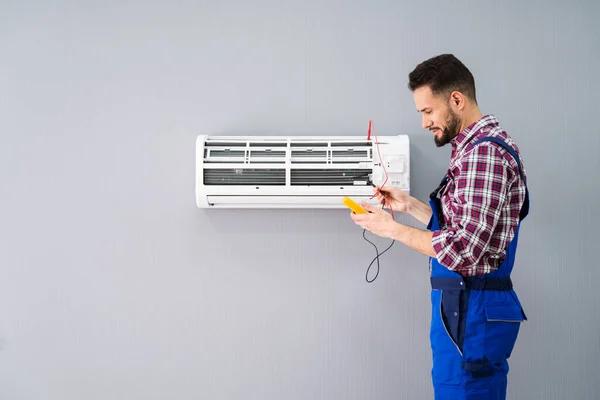
Routine servicing of your heating and cooling equipment ensures optimal performance overall but also supports odor management indirectly by preventing malfunctions that might cause stagnant airflow or inefficient filtration processes-conditions conducive to odor retention inside living spaces housing pets.
Finally, incorporating natural methods like opening windows periodically complements HVAC maintenance efforts by introducing fresh outdoor air into the home environment while expelling stale indoor scents tied to animals’ presence indoors.
By focusing on consistent filter changes, duct cleanliness, humidity control through climate regulation features of your HVAC system alongside professional upkeep schedules combined with simple habits such as airing out rooms when possible you create an effective strategy for reducing pet odors naturally without resorting to aggressive chemical solutions that may irritate sensitive noses-both human and animal alike-and maintain a fresher-smelling home all year round.