
When considering home renovations, particularly extensions, one of the most significant decisions homeowners face is choosing between a flat roof and a pitched roof. Both options offer distinct advantages and challenges, especially in the context of modern home designs where aesthetics, functionality, and sustainability are paramount.
Flat roofs have gained popularity in contemporary architecture due to their sleek and minimalist appearance. They provide a clean line that complements modern design principles, making them ideal for homes with a focus on simplicity and geometric forms. One of the main benefits of flat roofs is the efficient use of space they allow. Unlike pitched roofs that slope inwardly or outwardly, flat roofs create additional usable area which can be transformed into rooftop gardens, terraces, or even solar panel installations. This feature aligns well with eco-conscious homeowners seeking to maximize green spaces or energy efficiency without expanding the building footprint.
From a construction perspective, flat roofs tend to be quicker and more cost-effective to build compared to pitched roofs. Their straightforward structure requires fewer materials such as timber trusses or complex framing systems typically needed for sloped roofing. However, flat roofs do demand meticulous waterproofing solutions since water drainage relies heavily on slight gradients rather than natural runoff facilitated by steep slopes. Poor drainage can lead to pooling water and potential leaks if not properly maintained.
On the other hand, pitched roofs bring traditional charm combined with practical benefits that remain relevant in modern extensions. The angled design naturally directs rainwater away from the structure’s surface ensuring superior drainage capabilities-a critical factor in regions prone to heavy rainfall or snow accumulation. This reduces maintenance concerns related to water damage over time.
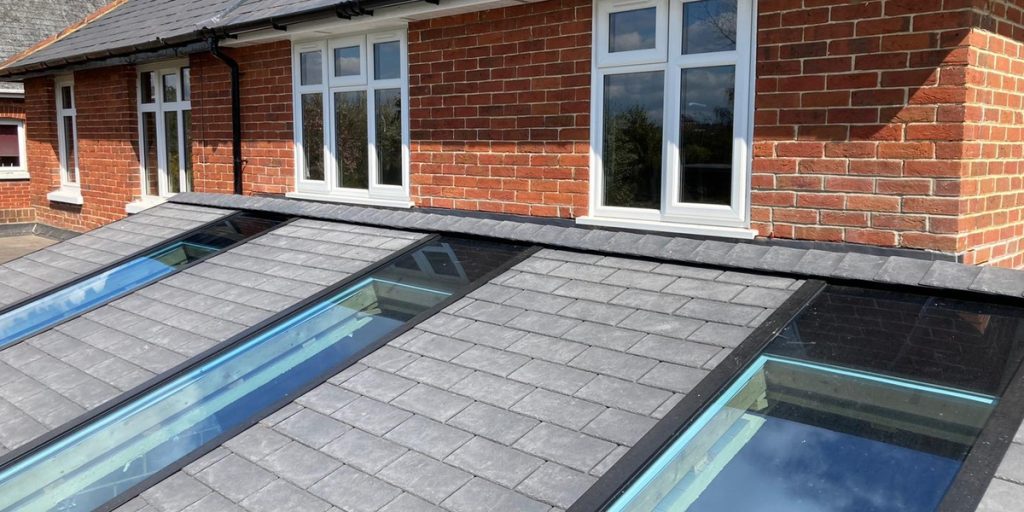
Pitched roofs also offer enhanced insulation opportunities due to their attic spaces which can house thermal barriers effectively reducing heat loss during colder months while mitigating overheating during summer through proper ventilation techniques. Additionally, they provide greater scope for architectural creativity; dormer windows or skylights integrated within pitched designs add character while improving natural light intake.
Nevertheless, constructing a pitched roof extension often involves higher costs owing to increased material requirements and labor intensity associated with framing complex angles correctly. These factors may extend project timelines compared to simpler flat roof installations.
In conclusion, selecting between a flat roof vs pitched roof extension hinges on multiple considerations including aesthetic preferences, budget constraints, climate conditions, and intended usage of additional space created by the renovation. Flat roofs suit homeowners prioritizing contemporary looks coupled with multifunctional outdoor areas but require diligent waterproofing efforts throughout their lifespan. Conversely, pitched roofs appeal through their timeless appeal alongside robust weather resistance though at elevated initial investment levels.
Ultimately integrating either roofing style thoughtfully into your home renovation will enhance both form and function when aligned carefully with your lifestyle needs and environmental context ensuring long-term satisfaction from your extended living space.