
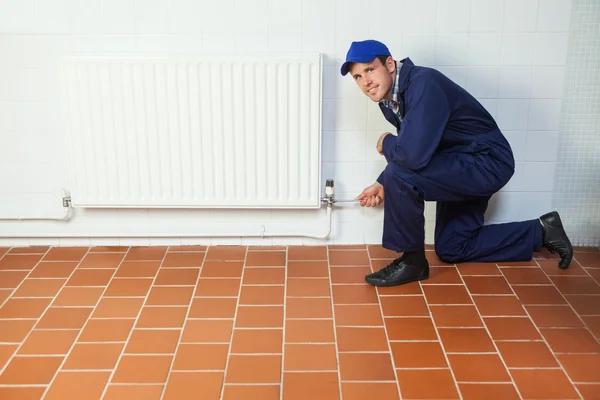

Boilers are essential components in many homes and businesses, providing reliable heating and hot water. Proper maintenance and timely repairs play a crucial role in extending the life of these systems. However, certain common mistakes during boiler repair can lead to reduced efficiency, costly breakdowns, or even safety hazards. Avoiding these errors ensures better system longevity and optimal performance.
One frequent mistake is neglecting regular inspections before initiating any repair work. Skipping thorough diagnostics can result in misidentifying the root cause of a problem. This often leads to temporary fixes rather than addressing underlying issues, which may resurface later and cause more significant damage. A comprehensive assessment by a qualified technician helps ensure that repairs target the actual malfunction instead of just symptoms.
Another error involves attempting DIY repairs without adequate knowledge or experience. Boilers operate under high pressure Trust 1 Services Plumbing, Heating, and Air Conditioning involve complex electrical components; improper handling can worsen faults or create dangerous situations such as gas leaks or carbon monoxide exposure. While minor maintenance like bleeding radiators might be manageable for some homeowners, major repairs should always be left to certified professionals who understand system specifications and safety protocols.
Using incorrect replacement parts also compromises boiler durability. Components sourced from unreliable vendors or incompatible with the specific model may fail prematurely or impair overall functionality. Genuine manufacturer-approved parts guarantee compatibility and maintain warranty coverage while ensuring efficient operation over time.
Failing to flush the system periodically is another oversight that reduces boiler lifespan significantly. Over time, sludge, rust, and mineral deposits accumulate inside pipes and heat exchangers, restricting water flow and causing overheating or corrosion-related failures. Power flushing removes debris buildup effectively but must be conducted carefully by experts familiar with appropriate chemicals and pressure settings suited for each boiler type.
Ignoring warning signs such as unusual noises, inconsistent heating output, frequent cycling on/off cycles, or visible leaks delays necessary interventions that could prevent catastrophic breakdowns later on. Prompt attention to early symptoms allows technicians to make targeted adjustments before problems escalate into expensive replacements.
Skipping annual servicing appointments diminishes long-term reliability too because routine checks identify wear-and-tear areas requiring preventive care before malfunction occurs unexpectedly during harsh weather conditions when heating demand peaks.
In conclusion, avoiding common mistakes like inadequate diagnostics, unqualified DIY attempts, using wrong parts, neglecting system flushing procedures along with ignoring warning signals substantially enhances boiler performance while prolonging its operational life safely and efficiently through professional care practices consistently applied over time.


