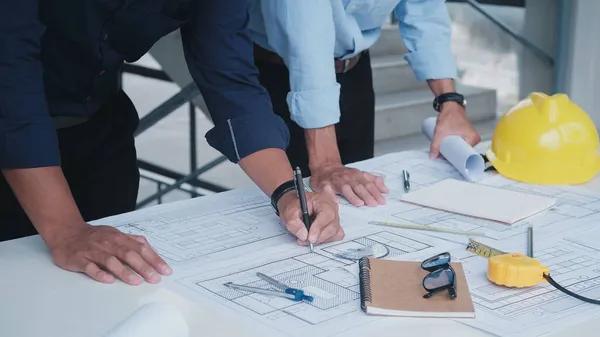

In complex construction projects, the role of a general contractor extends far beyond simply managing labor and materials. Their involvement is crucial in orchestrating various components to deliver a successful outcome within budget and on schedule. A general contractor acts as the central point of coordination among architects, engineers, subcontractors, suppliers, and clients. This coordination ensures that every aspect of the project aligns seamlessly with the design specifications and regulatory requirements.
One significant value a general contractor brings is expert project management. They develop detailed timelines, allocate resources efficiently, and monitor progress consistently to prevent delays or cost overruns. By anticipating potential challenges early on, they can implement solutions proactively rather than reactively addressing issues after they arise. This foresight minimizes disruptions that could otherwise derail complex construction endeavors.
Moreover, their extensive experience enables them to select qualified subcontractors who specialize in different trades such as electrical work, plumbing, or HVAC installation. The general contractor evaluates these subcontractors not only based on skill but also reliability and ability click to discover safety standards. Ensuring all parties meet strict quality controls results in durable workmanship that stands up over time while maintaining compliance with building codes.
Budget management constitutes another critical contribution from a general contractor in complicated projects. They prepare comprehensive cost estimates covering materials procurement, labor costs, permits fees, equipment rentals, and contingencies for unforeseen expenses. Throughout construction phases they track expenditures meticulously against budgets to avoid overspending while maintaining transparency for stakeholders through regular reporting.
Safety oversight represents an essential responsibility under their purview as well. Construction sites pose inherent risks due to heavy machinery operation and working at heights or confined spaces; hence implementing rigorous safety protocols reduces accidents significantly. General contractors enforce adherence by conducting training sessions for workers and routinely inspecting job sites for hazards.
Additionally, communication facilitated by the general contractor fosters collaboration among diverse teams involved in multifaceted builds such as hospitals or large commercial complexes where precision matters greatly at each stage from foundation laying through finishing touches. Clear channels prevent misunderstandings that might lead to costly rework or legal disputes later on.
In summary, a general contractor’s real value lies in harmonizing technical expertise with managerial skills tailored specifically for intricate construction jobs requiring meticulous planning and execution across multiple disciplines simultaneously. Their proactive approach toward scheduling logistics combined with strict quality control standards safeguards investments made by owners while delivering functional structures designed according to original intent without compromise caused by mismanagement or oversight failures common when responsibilities are fragmented among uncoordinated parties during complex developments.