
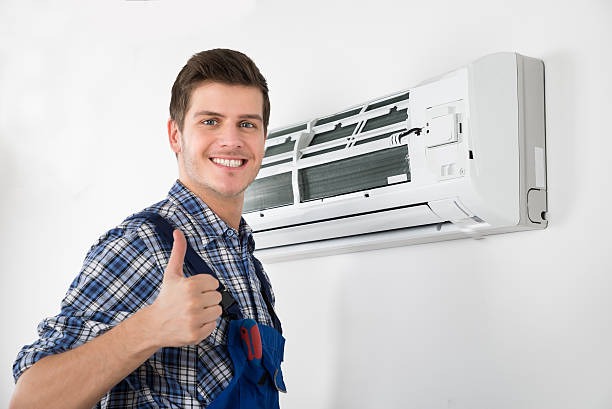

As the seasons change, so do the demands on your HVAC (Heating, Ventilation, and Air Conditioning) system. Regular maintenance is crucial to ensure that your system operates efficiently and effectively throughout the year. A biannual service schedule can help prevent unexpected breakdowns and extend the life of your equipment.
Every six months, ideally in spring and fall, you should have a professional technician inspect and service your HVAC system. This routine check-up is essential for maintaining optimal performance during peak heating or cooling periods. During these visits, there are several key tasks that you can expect a technician to perform.
In springtime, as temperatures begin to rise, it’s important to prepare your air conditioning unit dive in for more the summer months ahead. The technician will start by cleaning or replacing air filters. Dirty filters restrict airflow and reduce efficiency; thus regular replacement helps maintain indoor air quality while ensuring efficient operation.
Next, they will examine refrigerant levels in the AC unit. Adequate refrigerant is necessary for effective cooling; low levels could indicate leaks which need immediate attention. Additionally, coils will be cleaned to improve heat exchange efficiency—a critical factor in keeping energy bills manageable during hot weather.
The technician will also assess electrical components such as capacitors and contactors to ensure they function correctly without any wear or damage that might cause malfunctions during high-demand periods.
As autumn approaches and temperatures drop, focus shifts towards heating systems like furnaces or heat pumps. Similar to spring maintenance routines but with different priorities tailored towards heating needs—technicians again replace air filters if needed—ensuring unobstructed airflow through ductwork when warmth becomes essential indoors once more.
They’ll thoroughly inspect burners within gas-powered units since debris accumulation over time affects combustion efficiency leading potentially hazardous situations including carbon monoxide leakage risks if left unchecked too long between services performed regularly every half-year cycle recommended here today!


