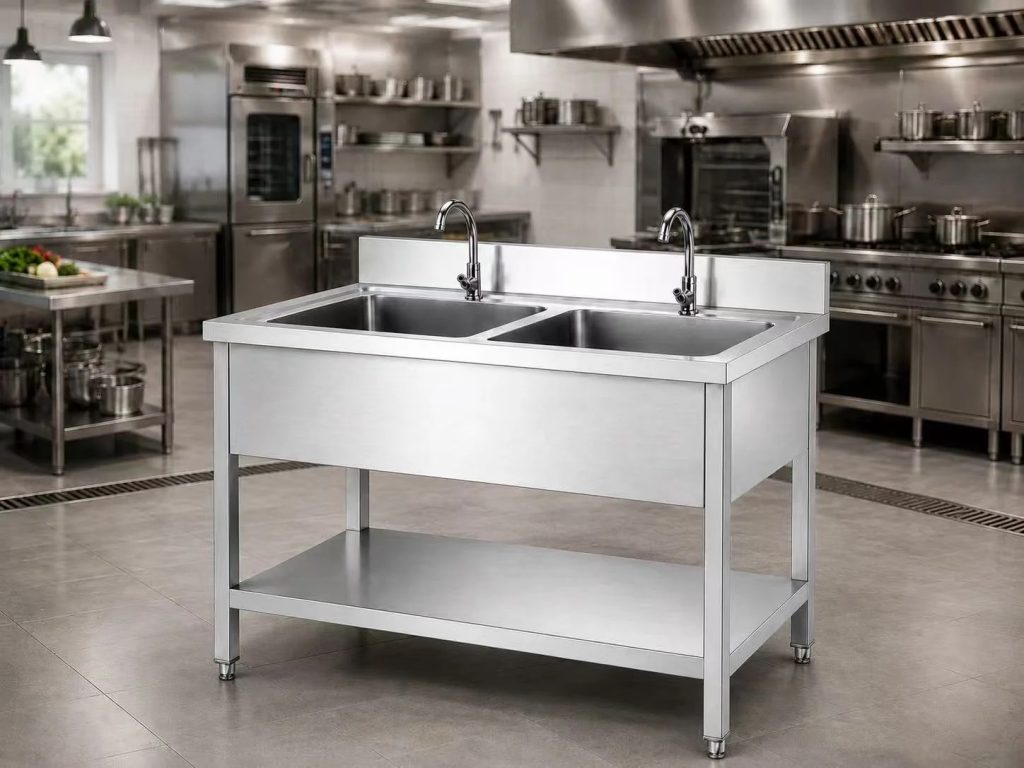

A quality commercial sink plays a crucial role in the daily operations of any business that handles food preparation, cleaning, or sanitation. Whether it is a restaurant kitchen, a medical facility, or an industrial workspace, the sink serves as a fundamental tool that supports hygiene standards and efficiency. Investing in a durable and well-designed commercial sink ensures long-term reliability and helps maintain compliance with health regulations. The importance of such equipment extends beyond mere functionality; it directly impacts productivity and safety within the workplace.
One of the primary reasons why a quality commercial sink matters is its ability to withstand heavy usage over time. Commercial environments demand sinks that resist corrosion, dents, and stains caused by constant exposure to water, chemicals, and various materials. High-grade stainless steel is commonly used because it offers excellent durability while being easy to clean. A robust construction minimizes maintenance costs by reducing the frequency of repairs or replacements. When sinks fail prematurely due to poor quality materials or workmanship, businesses face unnecessary downtime and additional expenses.
Efficiency is another key factor influenced by the choice of Commercial Sink. A well-designed model provides ample space for washing large pots, pans, utensils, or other equipment without causing clutter or delays in workflow. Multiple compartments can separate tasks such as washing, rinsing, and sanitizing to streamline processes according to industry standards. Proper drainage systems prevent water accumulation that could lead to slips or contamination risks. Additionally, ergonomic features like adjustable height options contribute to employee comfort during repetitive tasks.
Hygiene cannot be overstated in sectors where cleanliness directly affects customer satisfaction and regulatory compliance. Commercial sinks must facilitate thorough cleaning practices through smooth surfaces that do not harbor bacteria or mold growth. Seamless designs with rounded corners simplify sanitation efforts compared to sinks with crevices where dirt might accumulate unnoticed. Some models include integrated splash guards or hands-free faucets which further reduce cross-contamination hazards.
Choosing an inferior sink often results in inefficient workflows combined with potential health code violations that jeopardize business reputation and operational licenses. On the other hand, investing in high-quality commercial sinks supports sustainable business practices by promoting cleanliness while enhancing overall effectiveness within demanding environments.
In summary, selecting a reliable commercial sink is essential for businesses focused on maintaining hygiene standards alongside operational efficiency. Its durability reduces maintenance burdens while design features improve usability for employees handling diverse tasks daily.