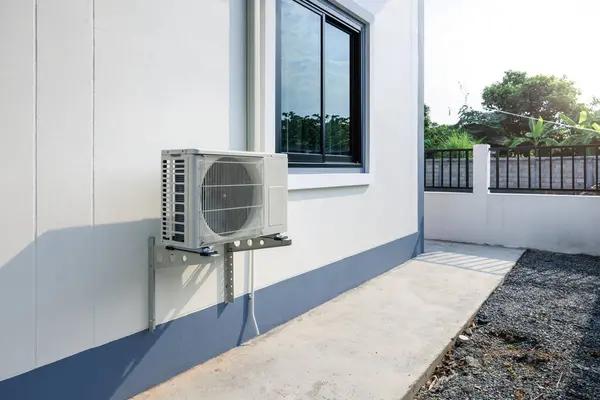

Window air conditioners with heating features have become increasingly popular for their ability to provide year-round climate control in a single, compact unit. Unlike traditional window air conditioners that only cool indoor spaces during warm months, these versatile devices also offer heating capabilities, making them ideal for transitional seasons or mild winter conditions. This dual functionality allows users to save space and energy by eliminating the need for separate cooling and heating systems. When considering a window air conditioner with heating features, it is important to understand how these units operate and what benefits they bring.
These units typically use heat pump technology or electric resistance heaters to generate warmth. Heat pumps work by reversing the refrigeration cycle used for cooling; they extract heat from outside air and transfer it indoors even when temperatures drop moderately low. Electric resistance heaters, on the other hand, convert electrical energy directly into heat through resistive elements within the unit. While heat pumps tend to be more energy-efficient in moderate climates, electric heaters can provide reliable warmth in colder conditions but may consume more electricity.
Installation of a Window Air Conditioner with Heating is similar to that of standard models. They fit into most standard window openings without requiring extensive modifications or professional help in many cases. Proper sealing around the unit is essential to prevent drafts and improve efficiency during both cooling and heating operations. Additionally, many modern units come equipped with programmable thermostats and remote controls that allow users to set precise temperature levels easily.
Energy efficiency ratings are crucial when selecting a model since operating both cooling and heating functions can impact electricity consumption significantly. Look for Energy Star-certified products that meet stringent efficiency standards while delivering adequate performance throughout different seasons. Some models also feature eco modes or smart sensors that adjust output based on room occupancy or ambient temperature changes, further optimizing power usage.
Noise levels vary among brands but generally remain manageable given advancements in compressor design and fan technology aimed at minimizing operational sound disturbances indoors.
When choosing a window air conditioner with integrated heating capabilities, consider factors such as room size capacity measured in BTUs (British Thermal Units), ease of maintenance like filter accessibility, durability under varying weather conditions, warranty coverage offered by manufacturers, and customer reviews highlighting real-world performance experiences.
In summary, these multifunctional appliances offer convenient climate control solutions suitable for small apartments or rooms where installing separate HVAC systems is impractical or costly. Their ability to switch seamlessly between cooling during summer months and providing supplemental heat during cooler periods makes them an attractive choice for those seeking comfort without sacrificing space or budget constraints.