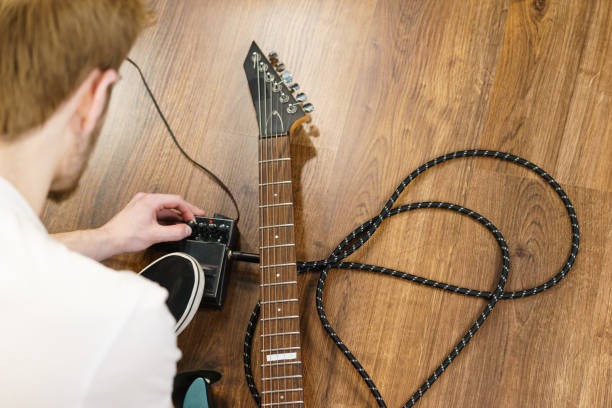

Mastering the art of guitar setup requires more than just basic knowledge; it demands a deep understanding of various advanced techniques that ensure optimal playability and tone. A guitar setup course that delves into these sophisticated methods equips students with the skills necessary to customize and fine-tune instruments to professional standards, enhancing both performance and longevity.
One of the key advanced techniques taught in such courses is fret leveling and crowning. This process involves meticulously filing down uneven frets to eliminate buzzing and dead spots, followed by reshaping them into perfect rounded profiles for smooth string bending and clear intonation. Proper fret work not only improves playability but also extends the lifespan of the instrument’s neck.
Another critical skill covered is precise neck relief adjustment using truss rod manipulation. While many players understand basic truss rod tweaks, advanced courses teach how to measure subtle variations in neck curvature under different environmental conditions or playing styles. This ensures ideal string action without compromising tuning stability or causing excessive fret buzz.
Intonation refinement is also a major focus area. Students learn how to adjust saddle positions on various bridge types-whether fixed, tremolo, or floating-to achieve perfect pitch across all frets. This includes understanding compensation techniques for different string gauges and materials, which can significantly impact tuning accuracy up and down the fingerboard.
Advanced nut slot cutting forms an essential part of the curriculum as well. Properly slotted nuts reduce tuning issues caused by string binding while maintaining correct string height at the first fret for comfortable playing. Techniques include selecting appropriate nut materials like bone, graphite, or synthetic compounds based on tonal preferences and durability requirements.
In addition to these mechanical adjustments, temperature-and humidity-related maintenance strategies are emphasized due to their profound effects on wood stability and overall guitar health. Courses often cover best practices for seasonal setups involving humidity control devices alongside periodic checks on neck relief changes caused by environmental shifts.
Finally, comprehensive wiring diagnostics combined with soldering proficiency are included for electric guitars requiring electronic customization or repair during setups. Understanding pickup height optimization relative to magnet strength helps balance output levels without introducing unwanted noise or interference.
By mastering these advanced techniques through guided instruction in a dedicated guitar setup course, aspiring technicians gain confidence in delivering professional-grade results tailored precisely to each player’s unique needs-ultimately transforming ordinary instruments into finely tuned tools capable of inspiring exceptional musical expression.